
and how to work with them without guilt or waste
Our brains are brilliant at survival. Thousands of years ago, spotting something rich and satisfying (fat, sugar, salt) meant energy and safety. So our wiring leans towards the foods that feel rewarding. That’s not a moral failing; it’s biology doing exactly what it was designed to do in a world of scarcity.
The catch is, we don’t live there anymore. We live now, where rich, hyper-palatable foods are everywhere, all the time. The instinct is the same; the environment has changed. No wonder dinner sometimes feels like a tug-of-war between “I want the comforting thing” and “I want to feel good after.”
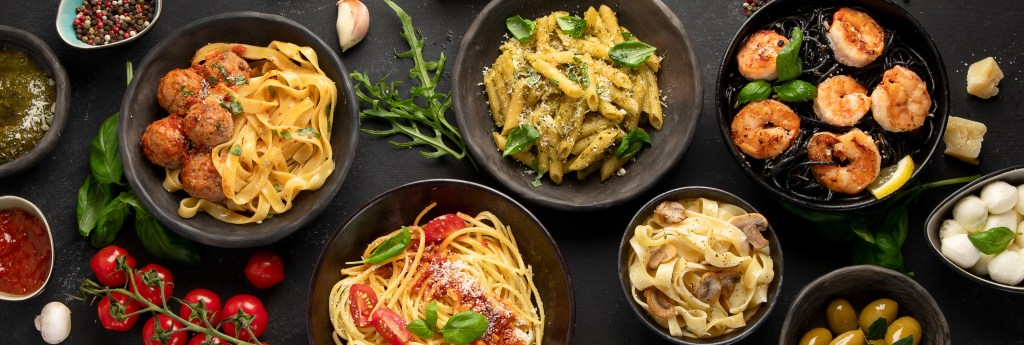
The craving isn’t the problem
Cravings are a signal: “I need energy, comfort, certainty.” But they’re rarely about lettuce. That doesn’t make salad “bad”, it just means your brain is prioritising foods that historically kept us alive more efficiently. In a modern kitchen, the trick isn’t to silence that signal; it’s to meet it kindly and update our brain wiring.
Try asking:
- What do I actually want from this craving: warmth, crunch, richness, sweetness?
- How can I get that feeling in a way that also sits well with me afterwards?
Sometimes that looks like the familiar favourite, just portioned sensibly. Other times it’s a smart swap or a plate that balances comfort with fibre, protein, and texture.
Where waste sneaks in (quietly)
Our old wiring also dislikes waste, food used to be too precious to bin. That instinct can show up in modern ways:
- Buying “just in case” and watching it wilt.
- Cooking more than we need, then overeating to avoid throwing it away.
- Keeping a crammed fridge that feels full of options but somehow… nothing to eat.
This isn’t a lecture on waste; it’s an invitation to notice how modern abundance plus old instincts can nudge us into choices that don’t actually feel great.
Gentle ways to work with cravings (and reduce waste as a bonus)
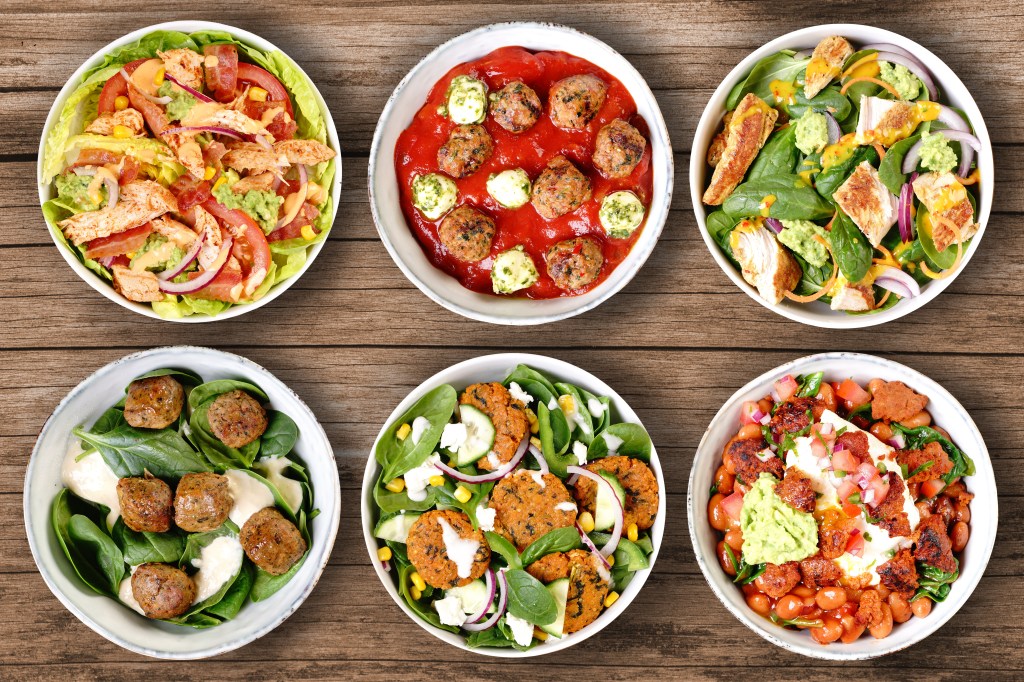
1) Build the plate you actually want, then balance it.
Start with the thing you’re craving (creamy, crispy, saucy), and add staples: a handful of greens, some beans or lentils, a roast veg, a chunk of chicken or tofu. Your brain gets the satisfaction and your body the nutrition.
2) Cook once, eat twice – differently.
Make a base (meatballs, roast veg, beans, grains) and serve it in two ways so it doesn’t feel like leftovers:
- Day 1: Meatballs with passata and greens.
- Day 2: Meatball pittas with yoghurt + herbs.
Same effort, less waste, no boredom.
3) Buy smaller, more often and on purpose.
A little less fruit/veg per shop can mean more is actually eaten. If you run out midweek, great, you’re right on track. Plus, it’s a trick on the brain that if you finish a punnet of grapes it’s a win; you won’t feel the same by finishing a pack of biscuits….
4) Keep “fridge stretcher” ingredients on hand.
A tin of beans, frozen peas, eggs, yoghurt, a block of feta, a jar of pesto. These turn “not quite enough for dinner” into a full meal and save things from languishing.
5) Tell your hungry brain: You can always come back for seconds
Serve a sensible amount first; you can always add more. It’s easier to forget a craving when you are no longer hungry.
6) Give leftovers a job immediately.
As you clear up, decide: lunch tomorrow / freezer portion / component for Thursday’s dinner. Label it so ‘Future You’ doesn’t forget.
A real-life example (from my kitchen)
If I’m craving something ‘carby’, I’ll happily plate a slice of quiche or a few meatballs, then add a crunchy salad, some beans, and yummy bread. It still feels like the thing I wanted; I just leave the meal feeling balanced rather than boring. And if there’s half an onion, a wedge of carrot, or a handful of rocket lingering, it all gets chopped in. Craving met; leftover bits used up; 5-a-day ticked!
The social side of cravings
One more thing we sometimes forget: food has always been social. For most of human history, the richest meals were shared — a deer brought back to the group, a fire where everyone gathered. We didn’t just crave the food itself, we craved the togetherness that came with it. Today, that same wiring can be tugging at us. Maybe it’s not just richness or comfort we’re hungry for, but company too.
If you find yourself with too much food, it doesn’t always have to mean overeating or waste, it can be an excuse to invite someone over! Sharing makes even simple meals taste better. And who knows, maybe one day we’ll even share a plate together in my lounge.
Fridge to Fork imagined
Part of why I started Fridge to fork is this exact tangle: old instincts, modern life, too many half-used ingredients. Sometimes a fresh pair of eyes in your kitchen is all it takes to turn what you already have into meals you actually want—less stress, less waste, more plates that feel good now. No lectures, just practical help.
The takeaway
- Your cravings make sense.
- You don’t have to fight them; you can work with them.
- Tiny shifts (balancing a dish, cooking a base, buying a touch less) can make dinner feel kinder and reduce waste without trying.
Next up in the series: Rethinking the “Treat”: What Counts Now?
Not about rules, about finding treats that genuinely feel like treats for you, today.
Mx

 Mariane's Kitchen
Leave a comment